Amal Clooney and the Future of Legal Technology: Bridging Human Rights and AI
Explore how Amal Clooney is leveraging emerging technology to advocate for human rights. Discover the intersection of legal advocacy and digital innovation in this insightful analysis.
qodix
editor
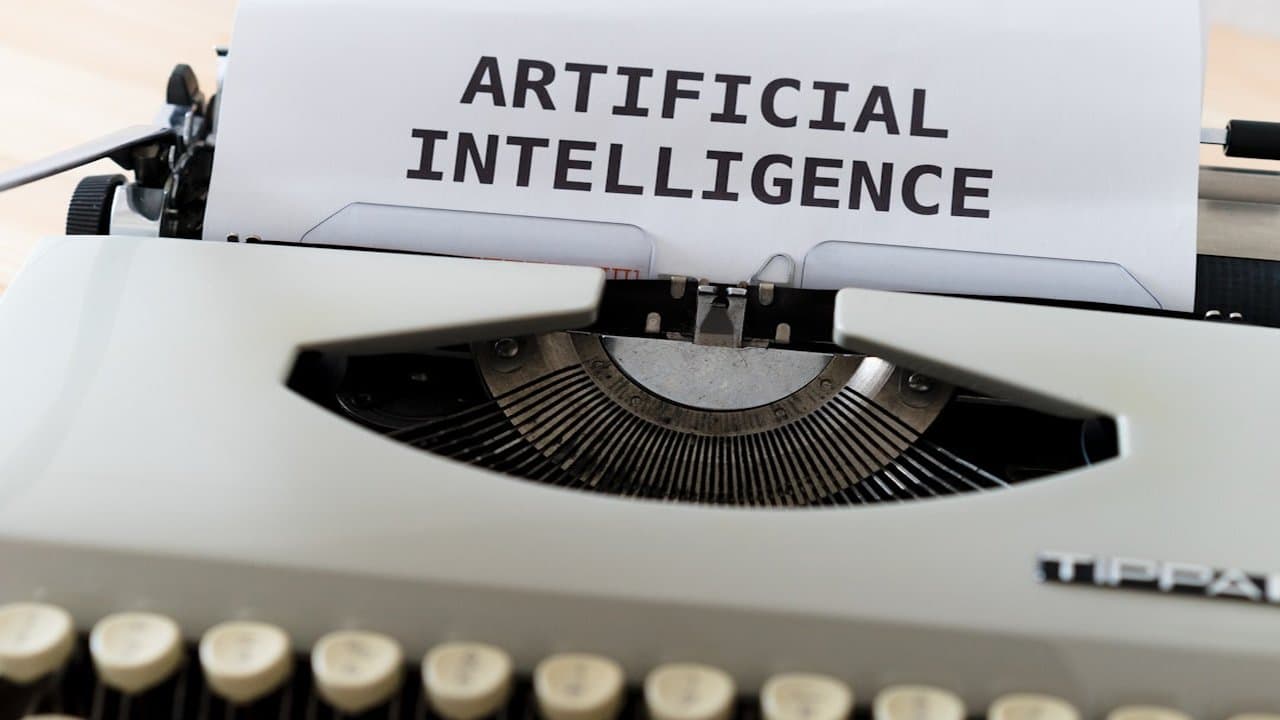
The Intersection of Amal Clooney and Modern Legal Technology
In an era where digital transformation touches every aspect of our lives, Amal Clooney stands out not only as a powerhouse human rights lawyer but as a forward-thinking advocate who recognizes the potential of technology in the courtroom. While many associate her with high-profile international litigation, her work is increasingly intersecting with the rapid evolution of legal technology (LegalTech) and digital evidence gathering.
As we navigate the complexities of global justice, the role of Amal Clooney in shaping how we use data to hold perpetrators accountable has become a subject of great interest. From tracking war crimes through satellite imagery to utilizing AI-driven document analysis, the landscape of international law is changing, and Clooney is at the forefront of this shift.
How Legal Technology is Transforming Human Rights Advocacy
The traditional methods of documenting human rights abuses are undergoing a revolution. Modern legal teams are no longer limited to physical witness testimonies; they now have access to a vast array of digital tools that can verify claims in real-time. This technological shift allows professionals like Amal Clooney to:
- Utilize Satellite Imagery: Tracking movements in conflict zones to provide irrefutable evidence of mass atrocities.
- Deploy AI in Discovery: Processing millions of documents in a fraction of the time, allowing for faster trial preparation.
- Blockchain for Evidence Preservation: Ensuring that digital video evidence remains untampered and admissible in international courts.
By embracing these innovations, legal experts are creating a more transparent global judicial system. This evolution mirrors the broader trends in [INTERNAL_LINK: digital-transformation-in-law] that are currently disrupting the legal sector globally.
The Role of AI in International Litigation
Artificial Intelligence is no longer a futuristic concept; it is a current reality in the chambers of leading human rights advocates. For Amal Clooney, the challenge lies in balancing the efficiency of AI with the ethical imperatives of justice. As she continues her work with the Clooney Foundation for Justice, the integration of data analytics helps in identifying patterns of systemic abuse that would otherwise remain hidden within thousands of pages of reports.
The future of litigation will likely involve a symbiotic relationship between human empathy and computational power. While AI can analyze data, it cannot replicate the moral compass required to advocate for the oppressed, a quality that defines Clooney's career.
Conclusion: A New Chapter for Justice
The synergy between Amal Clooney and emerging technology represents a significant leap forward for international human rights law. As digital tools become more sophisticated, the ability to seek justice for victims of war crimes and systemic discrimination becomes more accessible. By adopting these technologies, the legal community is better equipped to fight for a safer, more equitable world.
أمل كلوني ومستقبل التكنولوجيا القانونية: الجسر بين حقوق الإنسان والذكاء الاصطناعي
في عصر يمس فيه التحول الرقمي كل جانب من جوانب حياتنا، تبرز أمل كلوني ليس فقط كمحامية بارزة في مجال حقوق الإنسان، بل كمدافعة ذات رؤية مستقبلية تدرك إمكانات التكنولوجيا في قاعات المحاكم. وبينما يربطها الكثيرون بالقضايا الدولية الكبرى، فإن عملها يتقاطع بشكل متزايد مع التطور السريع للتكنولوجيا القانونية (LegalTech) وجمع الأدلة الرقمية.
بينما نبحر في تعقيدات العدالة العالمية، أصبح دور أمل كلوني في تشكيل كيفية استخدام البيانات لمحاسبة الجناة موضوعاً ذا أهمية كبيرة. من تتبع جرائم الحرب عبر صور الأقمار الصناعية إلى استخدام تحليل الوثائق المدعوم بالذكاء الاصطناعي، يتغير مشهد القانون الدولي، وكلوني في طليعة هذا التحول.
كيف تُغير التكنولوجيا القانونية من الدفاع عن حقوق الإنسان
تمر الأساليب التقليدية لتوثيق انتهاكات حقوق الإنسان بثورة حقيقية. لم تعد الفرق القانونية مقيدة بشهادات الشهود الجسدية؛ بل أصبح لديهم الآن إمكانية الوصول إلى مجموعة واسعة من الأدوات الرقمية التي يمكنها التحقق من الادعاءات في الوقت الفعلي. يسمح هذا التحول التكنولوجي لخبراء مثل أمل كلوني بـ:
- استخدام صور الأقمار الصناعية: تتبع التحركات في مناطق النزاع لتقديم أدلة دامغة على الفظائع الجماعية.
- نشر الذكاء الاصطناعي في الاكتشاف: معالجة ملايين الوثائق في جزء بسيط من الوقت، مما يسمح بإعداد أسرع للمحاكمات.
- تقنية البلوكشين لحفظ الأدلة: ضمان بقاء أدلة الفيديو الرقمية غير متلاعب بها ومقبولة في المحاكم الدولية.
من خلال تبني هذه الابتكارات، يخلق الخبراء القانونيون نظاماً قضائياً عالمياً أكثر شفافية. يعكس هذا التطور الاتجاهات الأوسع في [INTERNAL_LINK: digital-transformation-in-law] التي تعطل حالياً القطاع القانوني على مستوى العالم.
دور الذكاء الاصطناعي في التقاضي الدولي
لم يعد الذكاء الاصطناعي مفهوماً مستقبلياً، بل أصبح واقعاً حالياً في مكاتب كبار المدافعين عن حقوق الإنسان. بالنسبة لـ أمل كلوني، يكمن التحدي في الموازنة بين كفاءة الذكاء الاصطناعي والضرورات الأخلاقية للعدالة. مع استمرار عملها مع مؤسسة كلوني للعدالة، يساعد دمج تحليلات البيانات في تحديد أنماط الانتهاكات المنهجية التي كانت ستظل مخفية داخل آلاف الصفحات من التقارير.
من المرجح أن يتضمن مستقبل التقاضي علاقة تكافلية بين التعاطف البشري والقوة الحسابية. وبينما يمكن للذكاء الاصطناعي تحليل البيانات، فإنه لا يمكنه تكرار البوصلة الأخلاقية المطلوبة للدفاع عن المظلومين، وهي الجودة التي تحدد مسيرة كلوني المهنية.
الخلاصة: فصل جديد للعدالة
يمثل التآزر بين أمل كلوني والتكنولوجيا الناشئة قفزة كبيرة إلى الأمام لقانون حقوق الإنسان الدولي. مع زيادة تطور الأدوات الرقمية، أصبحت القدرة على السعي لتحقيق العدالة لضحايا جرائم الحرب والتمييز المنهجي أكثر سهولة. ومن خلال تبني هذه التقنيات، أصبح المجتمع القانوني مجهزاً بشكل أفضل للنضال من أجل عالم أكثر أماناً وعدلاً.