The Silent Revolution: How Edge Computing is Reshaping the Future
Edge computing is quietly transforming how data is processed, reducing latency and enabling real-time applications. This article explores how it works, why it matters, and where it's heading next.

Hussien Mekawy
Editorial
The Silent Revolution: How Edge Computing is Reshaping the Future
In the world of technology, not every revolution makes noise. Some happen quietly, in the background, powering the tools we use every day. Edge computing is one of those revolutions.
What is Edge Computing?
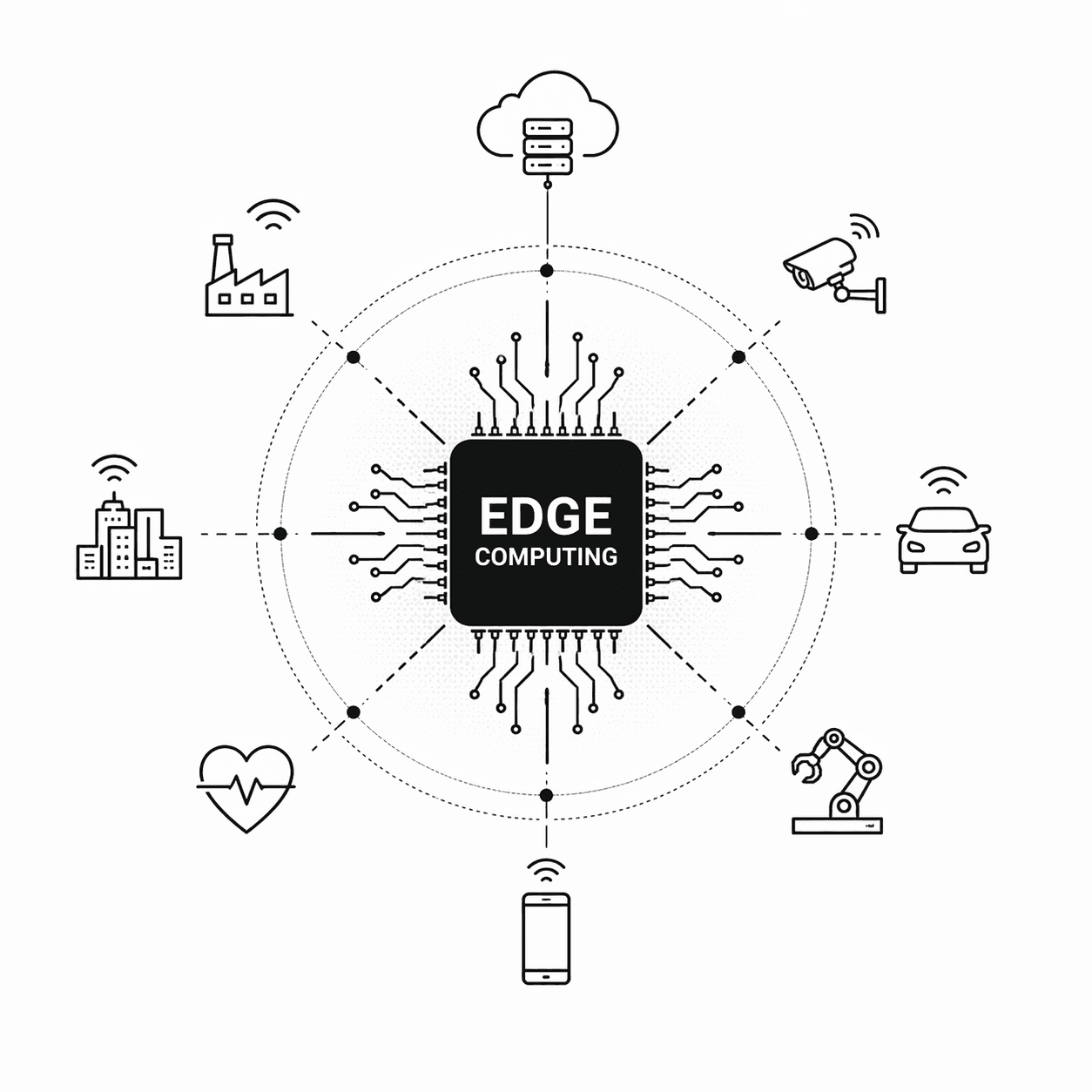
Edge computing refers to processing data closer to where it is generated, rather than relying on centralized cloud servers. Instead of sending data across long distances, devices like sensors, smartphones, and IoT systems can analyze information locally.
Why It Matters
The biggest advantage of edge computing is speed. By reducing the distance data needs to travel, latency is significantly minimized. This is crucial for applications like:
- Autonomous vehicles
- Smart cities
- Industrial automation
- Healthcare monitoring systems
Imagine a self-driving car needing to wait for a cloud response before making a decision. Even a fraction of a second delay could be dangerous. Edge computing solves this problem.
Edge vs Cloud: Not a Competition
It’s important to understand that edge computing doesn’t replace the cloud. Instead, they work together. The edge handles real-time processing, while the cloud manages large-scale data storage and deeper analytics.
Challenges Ahead
Despite its advantages, edge computing comes with challenges:
- Security risks due to distributed systems
- Higher infrastructure complexity
- Maintenance of multiple edge devices
The Future of Edge Computing
As 5G networks expand and IoT devices grow in number, edge computing will become more essential. Businesses are already investing heavily in edge solutions to stay competitive.
In the coming years, we can expect smarter applications, faster systems, and more responsive technologies — all powered by the edge.
Conclusion
Edge computing might not be as visible as other tech trends, but its impact is undeniable. It represents a shift toward faster, smarter, and more efficient computing — right where it’s needed most.
Comments (2)
s
5/4/2026 at 11:41:47 AM
ssss
vxds
5/4/2026 at 11:41:35 AM
vxvsdvdvvs