Hawaiian Monk Seals and AI: A New Era of Conservation Through Intelligent Technology
Discover how Artificial Intelligence is revolutionizing the conservation efforts for Hawaiian monk seals. Explore the innovative ways AI is being used to protect these endangered marine mammals and ensure their future.
qodix
editor
The Plight of the Hawaiian Monk Seal and the Promise of AI
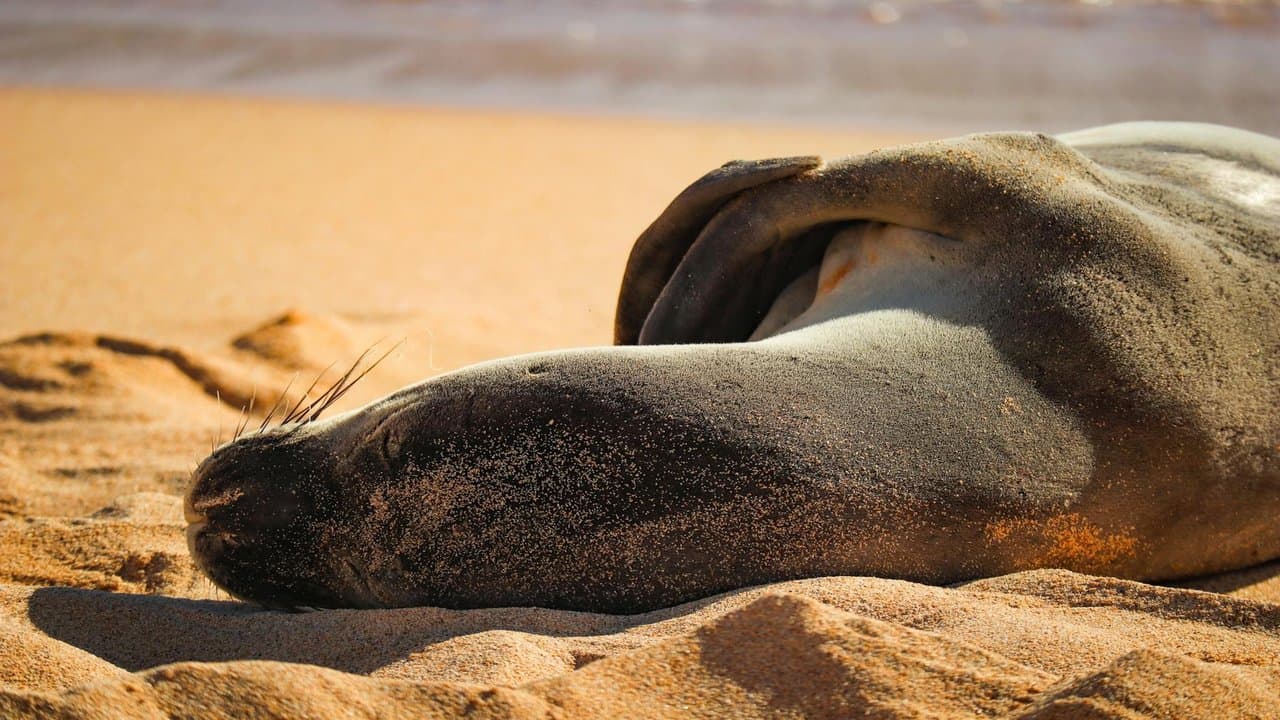
The Hawaiian monk seal (Neomonachus schauinslandi) is one of the most endangered marine mammals in the world, with a population that has faced significant decline. These endemic seals, found only in the Hawaiian Islands, are crucial to the health of the marine ecosystem. Historically, threats to their survival have included entanglement in marine debris, disease, predation by sharks, and habitat loss. However, in the face of these persistent challenges, a new and powerful ally has emerged: Artificial Intelligence (AI). This cutting-edge technology is offering unprecedented opportunities to monitor, protect, and ultimately conserve the dwindling numbers of Hawaiian monk seals.
Leveraging AI for Enhanced Monitoring and Data Analysis
Traditional methods of monitoring wildlife populations, while valuable, can be labor-intensive and limited in scope. AI is transforming this landscape by enabling more efficient and comprehensive data collection and analysis. Researchers are employing AI-powered tools to analyze vast amounts of data gathered from various sources, including aerial surveys, underwater imagery, and even acoustic sensors.
Automated Identification and Population Tracking
One of the most significant contributions of AI to monk seal conservation is its ability to automate the identification and tracking of individual seals. Machine learning algorithms can be trained to recognize unique patterns in a seal's markings, scars, and even their body shape. This allows for the automatic identification of seals in photographs and videos, eliminating the need for manual cataloging. This not only speeds up the process but also increases accuracy, providing a more robust understanding of population dynamics, migration patterns, and individual survival rates. Imagine thousands of images being processed in a fraction of the time it would take a human, identifying individual Hawaiian monk seals with remarkable precision.
Predictive Modeling for Threat Assessment
Beyond identification, AI excels at predictive modeling. By analyzing historical data on environmental conditions, seal behavior, and observed threats, AI algorithms can forecast potential risks. For instance, AI can predict areas where seals are more likely to encounter entanglement hazards or identify specific beaches that might experience increased human disturbance during breeding seasons. This foresight allows conservationists to proactively implement protective measures, such as targeted beach closures or debris removal operations, before significant harm occurs. This predictive capability is a game-changer, shifting conservation efforts from reactive to preventative.
AI in Action: Protecting Hawaiian Monk Seals from Immediate Dangers
The immediate threats to Hawaiian monk seals require swift and effective intervention, and AI is proving invaluable in this regard. The ability of AI to process real-time data and identify patterns quickly can be the difference between life and death for these vulnerable creatures.
Early Warning Systems for Entanglement and Injury
Marine debris poses a constant danger, with seals often becoming entangled in fishing gear or plastic waste. AI can be used to process satellite imagery and drone footage to identify areas with high concentrations of marine debris. Furthermore, by analyzing the movement patterns of seals, AI can help predict which individuals might be at higher risk of entanglement. In some advanced applications, AI-powered image recognition could even be integrated into systems that alert authorities to entangled seals in real-time, enabling rapid rescue efforts. This rapid response capability is crucial for the survival of injured seals.
Combating Disease Outbreaks with AI Insights
Disease outbreaks can have devastating impacts on already small populations. AI can assist in monitoring the health of monk seal populations by analyzing patterns in recorded behaviors or even by processing data from remote sensing devices that might detect physiological changes. While direct health monitoring is complex, AI can identify anomalies that might indicate the early stages of a disease spread, allowing for quicker veterinary intervention and the implementation of quarantine measures if necessary. [INTERNAL_LINK: marine_disease_research]
The Future of Monk Seal Conservation with Advanced AI Integration
The integration of AI into conservation strategies for Hawaiian monk seals is not a fleeting trend but a fundamental shift towards a more intelligent and effective approach. As AI technology continues to advance, its potential applications in protecting these iconic animals will only expand.
AI-Powered Robotics for Habitat Restoration and Monitoring
The development of AI-powered robotics offers exciting possibilities. Autonomous underwater vehicles (AUVs) and drones equipped with AI can conduct detailed surveys of monk seal habitats, monitor water quality, and even assist in the removal of marine debris from sensitive areas without disturbing the seals. These robots can access remote or dangerous locations, providing valuable data that would otherwise be inaccessible. For example, AI can guide these robots to identify and collect specific types of debris that pose the greatest threat to monk seals.
Ethical Considerations and the Human-AI Collaboration
While the benefits of AI in conservation are clear, it's essential to consider the ethical implications and the importance of human oversight. AI should be viewed as a powerful tool to augment, not replace, the expertise of marine biologists and conservationists. The data generated by AI needs careful interpretation by human experts, and the implementation of AI-driven conservation strategies must be guided by ethical principles that prioritize the well-being of the animals. The collaboration between AI systems and human conservationists ensures a holistic and compassionate approach to protecting the Hawaiian monk seals. [INTERNAL_LINK: ethical_ai_in_conservation]
Conclusion: A Smarter Path to Survival for Hawaiian Monk Seals
The journey to ensure the survival of the Hawaiian monk seal is complex and ongoing. However, the advent of Artificial Intelligence has opened a new frontier in conservation, offering sophisticated tools for monitoring, prediction, and intervention. By embracing AI, researchers and conservationists can gain deeper insights into the lives of these magnificent creatures, better understand the threats they face, and implement more effective strategies to protect them. The future of the Hawaiian monk seal looks brighter with the intelligent capabilities of AI working alongside dedicated human efforts. This symbiotic relationship between technology and conservationists is paving the way for a more sustainable future for this precious species.
مأزق فقمة الراهب الهاواي واعدة الذكاء الاصطناعي
تعد فقمة الراهب الهاواي (Neomonachus schauinslandi) من الثدييات البحرية الأكثر عرضة للانقراض في العالم، حيث شهدت أعدادها انخفاضًا كبيرًا. هذه الفقمات المستوطنة، الموجودة فقط في جزر هاواي، ضرورية لصحة النظام البيئي البحري. تاريخيًا، شملت التهديدات لبقائها التشابك في الحطام البحري، والأمراض، والافتراس من قبل أسماك القرش، وفقدان الموائل. ومع ذلك، في مواجهة هذه التحديات المستمرة، ظهر حليف جديد وقوي: الذكاء الاصطناعي (AI). تقدم هذه التكنولوجيا المتطورة فرصًا غير مسبوقة لمراقبة وحماية والحفاظ في نهاية المطاف على الأعداد المتناقصة من فقمات الراهب الهاواي.
الاستفادة من الذكاء الاصطناعي لتعزيز المراقبة وتحليل البيانات
يمكن للطرق التقليدية لمراقبة الحياة البرية، على الرغم من قيمتها، أن تكون كثيفة العمالة ومحدودة النطاق. يقوم الذكاء الاصطناعي بتحويل هذا المشهد من خلال تمكين جمع البيانات وتحليلها بشكل أكثر كفاءة وشمولية. يستخدم الباحثون أدوات مدعومة بالذكاء الاصطناعي لتحليل كميات هائلة من البيانات التي تم جمعها من مصادر مختلفة، بما في ذلك المسوحات الجوية، والصور تحت الماء، وحتى أجهزة الاستشعار الصوتية.
تحديد الهوية الآلي وتتبع السكان
أحد أهم مساهمات الذكاء الاصطناعي في الحفاظ على فقمات الراهب هو قدرته على أتمتة تحديد وتتبع الأفراد من الفقمات. يمكن تدريب خوارزميات التعلم الآلي للتعرف على الأنماط الفريدة في علامات الفقمة، والندوب، وحتى شكل جسمها. هذا يسمح بالتعرف الآلي على الفقمات في الصور ومقاطع الفيديو، مما يلغي الحاجة إلى الفهرسة اليدوية. هذا لا يسرع العملية فحسب، بل يزيد أيضًا من الدقة، ويوفر فهمًا أقوى لديناميكيات السكان، وأنماط الهجرة، ومعدلات بقاء الأفراد. تخيل معالجة آلاف الصور في جزء صغير من الوقت الذي يستغرقه الإنسان، وتحديد فقمات الراهب الهاواي الفردية بدقة ملحوظة.
النمذجة التنبؤية لتقييم التهديدات
إلى جانب التحديد، يتفوق الذكاء الاصطناعي في النمذجة التنبؤية. من خلال تحليل البيانات التاريخية حول الظروف البيئية، وسلوك الفقمات، والتهديدات المرصودة، يمكن لخوارزميات الذكاء الاصطناعي التنبؤ بالمخاطر المحتملة. على سبيل المثال، يمكن للذكاء الاصطناعي التنبؤ بالمناطق التي من المرجح أن تواجه فيها الفقمات مخاطر التشابك أو تحديد الشواطئ المحددة التي قد تشهد زيادة في الاضطرابات البشرية خلال مواسم التكاثر. هذه الرؤية المستقبلية تسمح لعلماء الحفاظ على البيئة بتطبيق تدابير وقائية بشكل استباقي، مثل إغلاق الشواطئ المستهدفة أو عمليات إزالة الحطام، قبل حدوث ضرر كبير. هذه القدرة التنبؤية هي تغيير جذري، حيث تحول جهود الحفاظ على البيئة من رد الفعل إلى الوقاية.
الذكاء الاصطناعي في العمل: حماية فقمات الراهب الهاواي من الأخطار المباشرة
تتطلب التهديدات المباشرة التي تواجه فقمات الراهب الهاواي تدخلًا سريعًا وفعالًا، وقد أثبت الذكاء الاصطناعي أنه لا يقدر بثمن في هذا الصدد. يمكن لقدرة الذكاء الاصطناعي على معالجة البيانات في الوقت الفعلي وتحديد الأنماط بسرعة أن تحدث الفرق بين الحياة والموت لهذه المخلوقات الضعيفة.
أنظمة الإنذار المبكر للتشابك والإصابة
يشكل الحطام البحري خطرًا مستمرًا، حيث غالبًا ما تتشابك الفقمات في معدات الصيد أو النفايات البلاستيكية. يمكن استخدام الذكاء الاصطناعي لمعالجة صور الأقمار الصناعية ولقطات الطائرات بدون طيار لتحديد المناطق التي تتركز فيها الحطام البحري بشكل كبير. علاوة على ذلك، من خلال تحليل أنماط حركة الفقمات، يمكن للذكاء الاصطناعي المساعدة في التنبؤ بالأفراد الذين قد يكونون في خطر أكبر للتشابك. في بعض التطبيقات المتقدمة، يمكن دمج التعرف على الصور المدعوم بالذكاء الاصطناعي في أنظمة تنبه السلطات إلى الفقمات المتشابكة في الوقت الفعلي، مما يتيح جهود الإنقاذ السريعة. هذه القدرة على الاستجابة السريعة ضرورية لبقاء الفقمات المصابة.
مكافحة تفشي الأمراض برؤى الذكاء الاصطناعي
يمكن أن يكون لتفشي الأمراض آثار مدمرة على المجموعات الصغيرة بالفعل. يمكن للذكاء الاصطناعي المساعدة في مراقبة صحة مجموعات فقمات الراهب من خلال تحليل الأنماط في السلوكيات المسجلة أو حتى من خلال معالجة البيانات من أجهزة الاستشعار عن بعد التي قد تكتشف التغييرات الفسيولوجية. في حين أن المراقبة الصحية المباشرة معقدة، يمكن للذكاء الاصطناعي تحديد الحالات الشاذة التي قد تشير إلى المراحل المبكرة لانتشار المرض، مما يسمح بتدخل بيطري أسرع وتنفيذ تدابير الحجر الصحي إذا لزم الأمر. [INTERNAL_LINK: marine_disease_research]
مستقبل الحفاظ على فقمات الراهب مع تكامل الذكاء الاصطناعي المتقدم
إن دمج الذكاء الاصطناعي في استراتيجيات الحفاظ على فقمات الراهب الهاواي ليس مجرد اتجاه عابر، بل هو تحول أساسي نحو نهج أكثر ذكاءً وفعالية. مع استمرار تقدم تكنولوجيا الذكاء الاصطناعي، ستتوسع تطبيقاتها المحتملة في حماية هذه الحيوانات الأيقونية.
روبوتات مدعومة بالذكاء الاصطناعي لاستعادة الموائل ومراقبتها
يوفر تطوير الروبوتات المدعومة بالذكاء الاصطناعي إمكانيات مثيرة. يمكن للمركبات المستقلة تحت الماء (AUVs) والطائرات بدون طيار المجهزة بالذكاء الاصطناعي إجراء مسوحات مفصلة لموائل فقمات الراهب، ومراقبة جودة المياه، وحتى المساعدة في إزالة الحطام البحري من المناطق الحساسة دون إزعاج الفقمات. يمكن لهذه الروبوتات الوصول إلى المواقع النائية أو الخطرة، وتوفير بيانات قيمة قد تكون غير متاحة بخلاف ذلك. على سبيل المثال، يمكن للذكاء الاصطناعي توجيه هذه الروبوتات لتحديد وجمع أنواع معينة من الحطام التي تشكل أكبر تهديد لفقمات الراهب.
الاعتبارات الأخلاقية والتعاون بين الإنسان والذكاء الاصطناعي
بينما تكون فوائد الذكاء الاصطناعي في الحفاظ على البيئة واضحة، من الضروري النظر في الآثار الأخلاقية وأهمية الإشراف البشري. يجب النظر إلى الذكاء الاصطناعي كأداة قوية لتعزيز، وليس استبدال، خبرة علماء الأحياء البحرية وعلماء الحفاظ على البيئة. تحتاج البيانات التي يولدها الذكاء الاصطناعي إلى تفسير دقيق من قبل خبراء بشريين، ويجب أن تسترشد استراتيجيات الحفاظ على البيئة المدفوعة بالذكاء الاصطناعي بالمبادئ الأخلاقية التي تعطي الأولوية لرفاهية الحيوانات. يضمن التعاون بين أنظمة الذكاء الاصطناعي وعلماء الحفاظ على البيئة نهجًا شاملاً ورحيمًا لحماية فقمات الراهب الهاواي. [INTERNAL_LINK: ethical_ai_in_conservation]
الخاتمة: مسار أكثر ذكاءً للبقاء على قيد الحياة لفقمات الراهب الهاواي
إن رحلة ضمان بقاء فقمة الراهب الهاواي معقدة ومستمرة. ومع ذلك، فقد فتح ظهور الذكاء الاصطناعي جبهة جديدة في الحفاظ على البيئة، حيث يقدم أدوات متطورة للمراقبة والتنبؤ والتدخل. من خلال تبني الذكاء الاصطناعي، يمكن للباحثين وعلماء الحفاظ على البيئة الحصول على رؤى أعمق حول حياة هذه المخلوقات الرائعة، وفهم أفضل للتهديدات التي تواجهها، وتنفيذ استراتيجيات أكثر فعالية لحمايتها. يبدو مستقبل فقمة الراهب الهاواي أكثر إشراقًا مع القدرات الذكية للذكاء الاصطناعي التي تعمل جنبًا إلى جنب مع الجهود البشرية المتفانية. يمهد هذا العلاقة التكافلية بين التكنولوجيا وعلماء الحفاظ على البيئة الطريق لمستقبل أكثر استدامة لهذا النوع الثمين.