
The Truth Behind the Jake Rosmarin Hantavirus Quarantine Rumors
Investigating the viral rumors surrounding the Jake Rosmarin hantavirus quarantine. We break down the facts, the spread of misinformation in the digital age, and the role of social media in shaping public perception.
qodix
editor
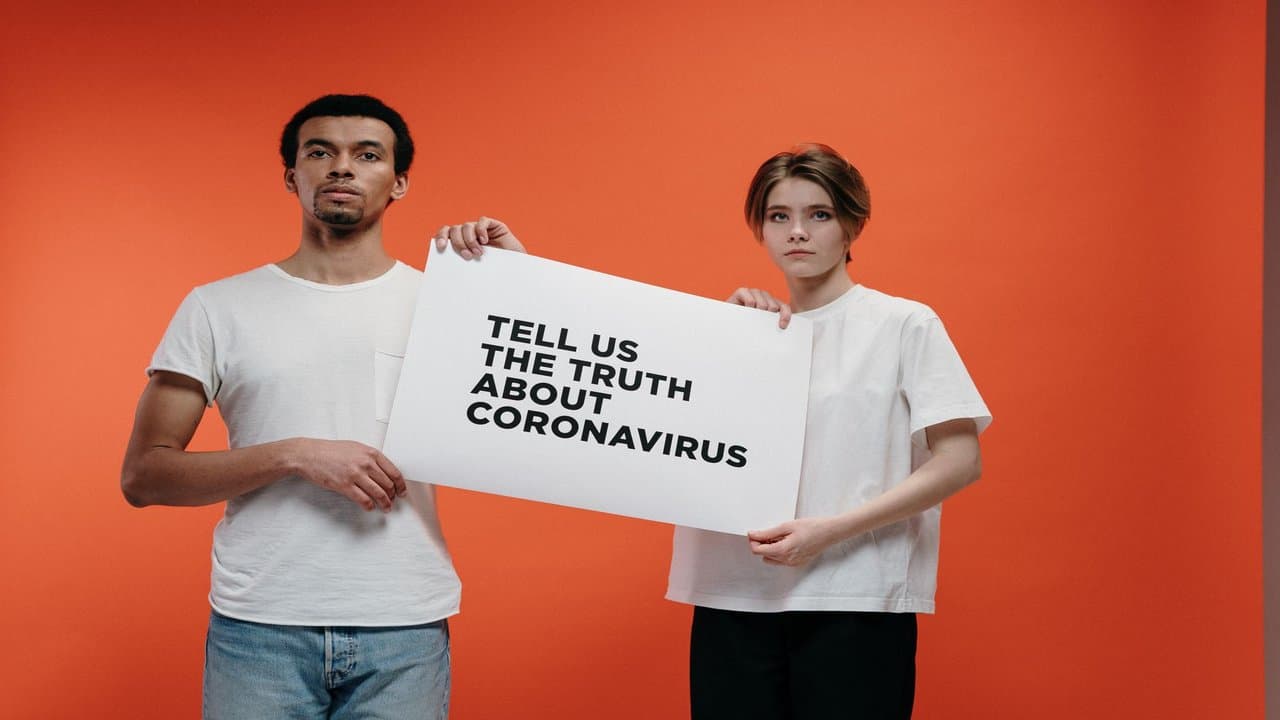
Understanding the Jake Rosmarin Hantavirus Quarantine Phenomenon
In the age of hyper-connectivity, social media rumors can spread faster than actual pathogens. Recently, the online community has been buzzing with search queries regarding the Jake Rosmarin hantavirus quarantine. As digital citizens, it is crucial to distinguish between legitimate health alerts and internet-driven misinformation. This post dives into the origins of these claims and analyzes how technological platforms influence our perception of health crises.
The Anatomy of a Digital Rumor
The narrative surrounding the Jake Rosmarin hantavirus quarantine serves as a textbook example of how a narrative can gain traction without factual grounding. Often, these stories originate from misinterpreted social media posts or AI-generated content designed to capture clicks. When users see a specific individual linked to a serious health risk like Hantavirus, the combination of fear and curiosity drives search traffic, leading to an SEO feedback loop that makes the rumor appear more credible than it is.
How Algorithms Amplify Misinformation
Search engines and social media algorithms prioritize trending topics. When thousands of people search for a specific term simultaneously, the system treats it as a legitimate news event. This creates a cycle where:
- Users search for the term due to curiosity.
- Algorithms detect the spike in interest.
- Content creators rush to produce articles to rank for the keyword.
- Misinformation is inadvertently validated by the sheer volume of content.
The Reality of Hantavirus Protocols
Hantavirus is a serious, albeit rare, respiratory disease transmitted primarily through contact with infected rodents. Public health agencies, such as the CDC, have strict protocols for quarantine and containment. It is important to note that public health officials do not typically announce the names of private individuals involved in quarantine procedures unless there is a significant public safety threat. The absence of official statements regarding a Jake Rosmarin hantavirus quarantine is the strongest indicator that the story lacks factual basis.
Protecting Yourself from Health Misinformation
To navigate the digital landscape safely, consider these steps:
- Verify the Source: Always check official government health websites (e.g., CDC, WHO).
- Look for Reputable News: If a major health event occurs, mainstream news outlets will report it with verified sources.
- Question Sensationalism: If a headline uses extreme fear-mongering, it is likely clickbait.
Conclusion: The Responsibility of the Digital Age
The viral nature of the Jake Rosmarin hantavirus quarantine story highlights our collective need for better digital literacy. While the internet provides us with instant access to information, it also demands that we be critical thinkers. By relying on primary sources and questioning the motives behind viral trends, we can prevent the spread of harmful misinformation and keep our digital communities informed and safe.
الحقيقة وراء شائعات حجر جيك روزمارين بسبب فيروس هانتا
في عصر الاتصال الفائق، يمكن للشائعات على وسائل التواصل الاجتماعي أن تنتشر أسرع من مسببات الأمراض الفعلية. مؤخراً، ضج مجتمع الإنترنت بعمليات بحث تتعلق بـ حجر جيك روزمارين بسبب فيروس هانتا. بصفتنا مواطنين رقميين، من الضروري التمييز بين التنبيهات الصحية المشروعة والمعلومات المضللة التي تحركها الإنترنت. يتناول هذا المقال أصول هذه الادعاءات ويحلل كيف تؤثر المنصات التكنولوجية على تصورنا للأزمات الصحية.
تشريح الشائعة الرقمية
تعد القصة المحيطة بـ حجر جيك روزمارين بسبب فيروس هانتا مثالاً نموذجياً لكيفية اكتساب السردية زخماً دون أساس واقعي. غالباً ما تنشأ هذه القصص من منشورات وسائل التواصل الاجتماعي التي أسيء فهمها أو من المحتوى الذي تم إنشاؤه بواسطة الذكاء الاصطناعي لجذب النقرات. عندما يرى المستخدمون فرداً معيناً مرتبطاً بخطر صحي خطير مثل فيروس هانتا، فإن مزيج الخوف والفضول يدفع حركة البحث، مما يؤدي إلى حلقة تغذية راجعة في تحسين محركات البحث تجعل الشائعة تبدو أكثر مصداقية مما هي عليه في الواقع.
كيف تضخم الخوارزميات المعلومات المضللة
تعطي محركات البحث وخوارزميات وسائل التواصل الاجتماعي الأولوية للمواضيع الرائجة. عندما يبحث آلاف الأشخاص عن مصطلح معين في وقت واحد، يعامله النظام كحدث إخباري مشروع. وهذا يخلق دورة حيث:
- يبحث المستخدمون عن المصطلح بدافع الفضول.
- تكتشف الخوارزميات ارتفاع الاهتمام.
- يسارع منشئو المحتوى لإنتاج مقالات للتصدر في نتائج البحث.
- يتم التحقق من المعلومات المضللة عن غير قصد من خلال حجم المحتوى الهائل.
واقع بروتوكولات فيروس هانتا
فيروس هانتا هو مرض تنفسي خطير، وإن كان نادراً، ينتقل بشكل أساسي من خلال ملامسة القوارض المصابة. تمتلك وكالات الصحة العامة، مثل مراكز السيطرة على الأمراض (CDC)، بروتوكولات صارمة للحجر الصحي والاحتواء. من المهم ملاحظة أن مسؤولي الصحة العامة لا يعلنون عادةً عن أسماء الأفراد الخاضعين لإجراءات الحجر الصحي ما لم يكن هناك تهديد كبير للسلامة العامة. إن غياب البيانات الرسمية بشأن حجر جيك روزمارين بسبب فيروس هانتا هو أقوى مؤشر على أن القصة تفتقر إلى أساس واقعي.
حماية نفسك من المعلومات الصحية المضللة
للتنقل في المشهد الرقمي بأمان، ضع هذه الخطوات في الاعتبار:
- تحقق من المصدر: تحقق دائماً من المواقع الصحية الحكومية الرسمية (مثل CDC، أو منظمة الصحة العالمية).
- ابحث عن أخبار موثوقة: إذا وقع حدث صحي كبير، فستقوم وسائل الإعلام الرئيسية بالإبلاغ عنه بمصادر موثقة.
- شكك في الإثارة: إذا كان العنوان يستخدم أسلوباً تخويفياً متطرفاً، فمن المرجح أنه مجرد طُعم للنقرات (Clickbait).
الخلاصة: مسؤولية العصر الرقمي
تسلط الطبيعة الفيروسية لقصة حجر جيك روزمارين بسبب فيروس هانتا الضوء على حاجتنا الجماعية لثقافة رقمية أفضل. بينما توفر لنا الإنترنت وصولاً فورياً إلى المعلومات، فإنها تتطلب منا أيضاً أن نكون مفكرين نقديين. من خلال الاعتماد على المصادر الأولية والتساؤل عن الدوافع وراء الاتجاهات الفيروسية، يمكننا منع انتشار المعلومات المضللة الضارة والحفاظ على مجتمعاتنا الرقمية مطلعة وآمنة.