Pope Leo XIV: A Look at the Potential Papal Name and Its Historical Significance
Explore the hypothetical scenario of a Pope Leo XIV. This post delves into the history of papal names, the significance of the name Leo, and what a pontificate under 'Pope Leo XIV' might signify.
qodix
editor
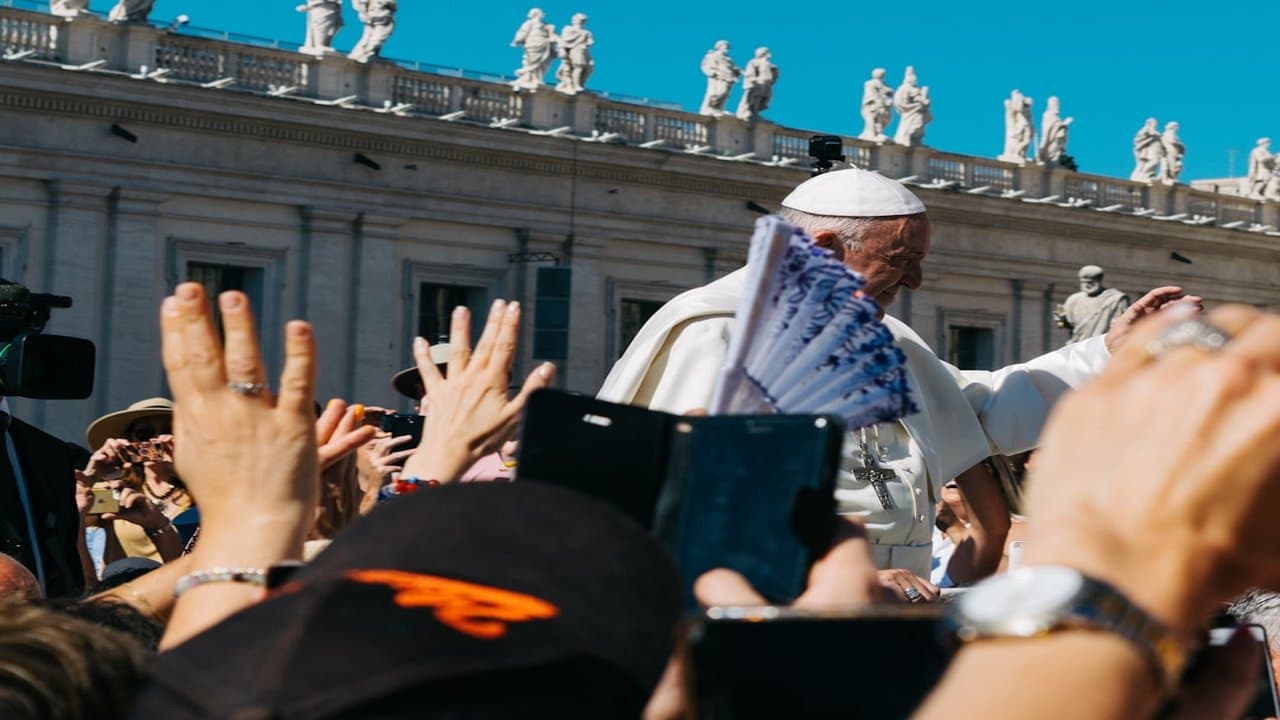
The Allure of Papal Names: What if there was a Pope Leo XIV?
The papacy, a venerable institution steeped in centuries of tradition, often evokes a sense of continuity and history. One of the fascinating traditions associated with the election of a new Pope is the choice of a new papal name. This name is more than just a label; it's a statement, a connection to past pontiffs, and an indication of the new Pope's aspirations. While the name "Leo" has been a popular choice for Popes throughout history, the question of a hypothetical Pope Leo XIV sparks curiosity. What would such a name signify? What historical weight would it carry? In this exploration, we'll delve into the history of the name Leo in the papacy and consider the implications of a future pontiff adopting this distinguished moniker.
A Legacy of "Leo": Understanding the Papal Name Tradition
The tradition of Popes adopting a new name dates back to the 6th century. Before this, Popes generally retained their birth names. The first Pope to adopt a new name was Pope John II, who chose his pontifical name to distance himself from his birth name, Mercurius, which was also the name of a pagan deity. Since then, the choice of a papal name has become a significant aspect of papal succession. Names like John, Gregory, and Clement have been used multiple times, each carrying the echoes of previous Popes who bore them. The name Leo, however, holds a particularly powerful and significant place in papal history.
The "Leo" Lineage: Popes Who Shaped History
The name Leo has been borne by thirteen Popes, making it one of the most frequently chosen papal names. These Popes were not merely placeholders; many of them were instrumental in shaping the course of the Catholic Church and indeed, Western civilization. The most famous among them is undoubtedly Pope Leo I (the Great), who reigned from 440 to 461. Leo I is renowned for his diplomatic skills, most notably his meeting with Attila the Hun in 452, where he is credited with persuading the barbarian leader not to sack Rome. He also played a crucial role in the Council of Chalcedon in 451, where his Tome, a theological statement, was highly influential in defining the orthodox understanding of Christ's two natures. His pontificate is considered a golden age for the papacy, establishing a precedent for papal authority and influence.
Other notable Popes named Leo include:
- Pope Leo XIII (reigned 1878-1903): A significant figure in the late 19th and early 20th centuries, Leo XIII was known for his extensive encyclicals, addressing social justice, the role of the Church in the modern world, and interfaith dialogue. His encyclical Rerum Novarum is considered a foundational document of modern Catholic social teaching. He also oversaw the creation of the Vatican Observatory and encouraged scholarly research.
- Pope Leo XII (reigned 1823-1829): His pontificate was marked by a conservative turn after the Napoleonic era. He focused on restoring the Church's authority and traditional practices.
- Pope Leo XI (reigned 1605): His pontificate was one of the shortest in history, lasting only 27 days.
The Symbolism of "Leo" in the Papacy
The name "Leo" itself is derived from the Latin word for "lion." The lion is a powerful symbol across many cultures, often representing courage, strength, royalty, and divine power. In a religious context, the lion can also symbolize Christ himself, as the "Lion of the Tribe of Judah" mentioned in the Book of Revelation. For a Pope to choose the name Leo, it suggests a desire to embody these qualities: to be a courageous shepherd of the flock, a strong defender of the faith, and a figure of spiritual authority and regal presence.
A new Pope choosing the name Leo XIV would be consciously invoking this rich history and symbolism. It would signal an intention to continue the legacy of strong, influential pontiffs. It might also suggest a desire to address contemporary challenges with the same kind of boldness and theological depth that characterized earlier Leo Popes. The number XIV itself, while simply sequential, adds a layer of historical progression. It places this hypothetical Pope in direct succession from Leo XIII, a period of significant change and adaptation for the Church.
The Hypothetical Pope Leo XIV: What Might it Mean?
If a new Pope were to choose the name Leo XIV, it would undoubtedly be a moment of considerable interest and speculation within the Catholic Church and beyond. Such a choice would likely be interpreted as a statement of intent, a call to a particular kind of leadership.
Consider the context in which a Pope Leo XIV might be elected. The Church today faces a complex array of challenges, from internal reform and secularization to global issues like poverty, climate change, and interreligious dialogue. A Pope Leo XIV might be seen as someone poised to lead with:
- Unwavering Faith and Courage: Emulating Leo I's steadfastness in the face of external pressures.
- Intellectual and Social Leadership: Drawing inspiration from Leo XIII's engagement with contemporary social and intellectual currents.
- A Vision for Unity: Continuing the tradition of seeking to unite the faithful and engage constructively with the wider world.
The choice of the name Leo XIV would invite comparisons to the past, but it would also be an opportunity for a new Pope to forge his own path. The legacy of the Leo Popes provides a powerful framework, but the specific challenges and opportunities of the 21st century would undoubtedly shape the pontificate of a Pope Leo XIV in unique ways. It would be a name that carries the weight of history, but also the promise of a future guided by strength, wisdom, and faith. [INTERNAL_LINK: papal_succession_history]
Conclusion: A Name to Watch (If It Ever Comes to Pass)
While the election of a Pope Leo XIV remains a hypothetical scenario, exploring its potential significance offers a fascinating glimpse into the enduring traditions and symbolism of the papacy. The name Leo, with its inherent strength and historical gravitas, has consistently been associated with Popes who have left an indelible mark on history. Should a future pontiff choose this distinguished name, it would undoubtedly signal a desire for strong leadership, a deep connection to tradition, and a commitment to navigating the complexities of the modern world with courage and faith. The legacy of the Leo Popes serves as a powerful reminder of the impact a chosen name can have, shaping expectations and inspiring action for generations to come. [INTERNAL_LINK: history_of_catholic_church]
جاذبية الأسماء البابوية: ماذا لو كان هناك البابا ليو الرابع عشر؟
البابوية، وهي مؤسسة عريقة غارقة في قرون من التقاليد، غالبًا ما تستحضر شعورًا بالاستمرارية والتاريخ. أحد التقاليد الرائعة المرتبطة بانتخاب بابا جديد هو اختيار اسم بابوي جديد. هذا الاسم هو أكثر من مجرد تسمية؛ إنه بيان، وصلة بالباباوات السابقين، ومؤشر على تطلعات البابا الجديد. في حين أن اسم "ليو" كان خيارًا شائعًا للباباوات عبر التاريخ، فإن مسألة البابا الافتراضي ليو الرابع عشر تثير الفضول. ماذا سيعني مثل هذا الاسم؟ ما هو الثقل التاريخي الذي سيحمله؟ في هذا الاستكشاف، سنتعمق في تاريخ اسم ليو في البابوية وننظر في تداعيات تبني قس مستقبلي لهذا اللقب المتميز.
إرث "ليو": فهم تقليد الاسم البابوي
يعود تقليد تبني الباباوات لاسم جديد إلى القرن السادس. قبل ذلك، احتفظ الباباوات عمومًا بأسمائهم عند الولادة. كان أول بابا يتبنى اسمًا جديدًا هو البابا يوحنا الثاني، الذي اختار اسمه البابوي ليميز نفسه عن اسمه عند الولادة، ميركوريوس، الذي كان أيضًا اسم إله وثني. منذ ذلك الحين، أصبح اختيار الاسم البابوي جانبًا مهمًا من خلافة الباباوات. تم استخدام أسماء مثل يوحنا، غريغوري، وكليمنت عدة مرات، وكل منها يحمل أصداء الباباوات السابقين الذين حملوها. ومع ذلك، يحمل اسم ليو مكانة قوية وذات مغزى بشكل خاص في التاريخ البابوي.
سلالة "ليو": الباباوات الذين شكلوا التاريخ
حمل الاسم ليو ثلاثة عشر بابا، مما يجعله أحد الأسماء البابوية الأكثر اختيارًا. لم يكن هؤلاء الباباوات مجرد أسماء رمزية؛ كان الكثير منهم يلعبون دورًا أساسيًا في تشكيل مسار الكنيسة الكاثوليكية، بل والحضارة الغربية. أشهرهم بلا شك هو البابا ليو الأول (العظيم)، الذي حكم من عام 440 إلى 461. يشتهر ليو الأول بمهاراته الدبلوماسية، وأبرزها لقاؤه مع أتيلا الهوني في عام 452، حيث يُنسب إليه إقناع القائد البربري بعدم نهب روما. كما لعب دورًا حاسمًا في مجمع خلقيدونية عام 451، حيث كان كتابه (Tome) بيانًا لاهوتيًا مؤثرًا للغاية في تحديد الفهم الأرثوذكسي للطبيعتين المسيحية. يُعتبر حكمه عصرًا ذهبيًا للبابوية، مما وضع سابقة للسلطة والتأثير البابوي.
من بين الباباوات الآخرين البارزين باسم ليو:
- البابا ليو الثالث عشر (حكم 1878-1903): شخصية مهمة في أواخر القرن التاسع عشر وأوائل القرن العشرين، اشتهر ليو الثالث عشر ببياناته الموسوعية، التي تناولت العدالة الاجتماعية، ودور الكنيسة في العالم الحديث، والحوار بين الأديان. تُعتبر رسالته الموسوعية Rerum Novarum وثيقة أساسية في التعليم الاجتماعي الكاثوليكي الحديث. أشرف أيضًا على إنشاء مرصد الفاتيكان وشجع الأبحاث الأكاديمية.
- البابا ليو الثاني عشر (حكم 1823-1829): اتسمت فترة حكمه بمنعطف محافظ بعد الحقبة النابليونية. ركز على استعادة سلطة الكنيسة والممارسات التقليدية.
- البابا ليو الحادي عشر (حكم 1605): كانت فترة حكمه من أقصر الفترات في التاريخ، حيث استمرت 27 يومًا فقط.
رمزية "ليو" في البابوية
اسم "ليو" نفسه مشتق من الكلمة اللاتينية التي تعني "أسد". الأسد رمز قوي عبر العديد من الثقافات، وغالبًا ما يمثل الشجاعة والقوة والملكية والقوة الإلهية. في سياق ديني، يمكن للأسد أيضًا أن يرمز إلى المسيح نفسه، باعتباره "أسد سبط يهوذا" المذكور في سفر الرؤيا. لكي يختار البابا اسم ليو، فإنه يشير إلى الرغبة في تجسيد هذه الصفات: أن يكون راعيًا شجاعًا للقطيع، ومدافعًا قويًا عن الإيمان، وشخصية ذات سلطة روحية وحضور ملكي.
إن اختيار بابا جديد لاسم ليو الرابع عشر سيكون استدعاءً واعيًا لهذا التاريخ الغني والرمزية. سيشير إلى نية مواصلة إرث الباباوات الأقوياء والمؤثرين. قد يشير أيضًا إلى الرغبة في معالجة التحديات المعاصرة بنفس النوع من الجرأة والعمق اللاهوتي الذي ميز الباباوات الأوائل من اسم ليو. الرقم الرابع عشر نفسه، على الرغم من كونه مجرد تسلسلي، يضيف طبقة من التقدم التاريخي. إنه يضع هذا البابا الافتراضي في خلافة مباشرة من ليو الثالث عشر، وهي فترة من التغيير والتكيف الكبير للكنيسة. [INTERNAL_LINK: papal_succession_history]
البابا الافتراضي ليو الرابع عشر: ماذا قد يعني؟
إذا اختار بابا جديد اسم ليو الرابع عشر، فسيكون بلا شك لحظة اهتمام وتكهنات كبيرة داخل الكنيسة الكاثوليكية وخارجها. من المرجح أن يُفسر هذا الاختيار على أنه بيان للنوايا، دعوة لنوع معين من القيادة.
ضع في اعتبارك السياق الذي قد يُنتخب فيه البابا ليو الرابع عشر. تواجه الكنيسة اليوم مجموعة معقدة من التحديات، من الإصلاح الداخلي والعلمنة إلى القضايا العالمية مثل الفقر وتغير المناخ والحوار بين الأديان. قد يُنظر إلى البابا ليو الرابع عشر على أنه شخص مستعد للقيادة من خلال:
- الإيمان والشجاعة الراسخين: محاكاة ثبات ليو الأول في مواجهة الضغوط الخارجية.
- القيادة الفكرية والاجتماعية: استلهام من انخراط ليو الثالث عشر في التيارات الاجتماعية والفكرية المعاصرة.
- رؤية للوحدة: مواصلة تقليد السعي لتوحيد المؤمنين والمشاركة البناءة مع العالم الأوسع.
سيؤدي اختيار اسم ليو الرابع عشر إلى مقارنات مع الماضي، ولكنه سيكون أيضًا فرصة لبابا جديد لتشكيل مساره الخاص. يوفر إرث الباباوات ليو إطارًا قويًا، ولكن التحديات والفرص المحددة للقرن الحادي والعشرين ستشكل بلا شك فترة حكم البابا ليو الرابع عشر بطرق فريدة. سيكون اسمًا يحمل ثقل التاريخ، ولكنه أيضًا وعد بمستقبل يسترشد بالقوة والحكمة والإيمان. [INTERNAL_LINK: history_of_catholic_church]
الخلاصة: اسم يجب مراقبته (إذا حدث على الإطلاق)
في حين أن انتخاب البابا ليو الرابع عشر يظل سيناريو افتراضيًا، فإن استكشاف أهميته المحتملة يقدم لمحة رائعة عن التقاليد والرمزية الدائمة للبابوية. اسم ليو، بقوته الكامنة وجاذبيته التاريخية، ارتبط باستمرار بالباباوات الذين تركوا بصمة لا تُمحى على التاريخ. إذا اختار قس مستقبلي هذا اللقب المتميز، فسوف يشير بلا شك إلى الرغبة في قيادة قوية، وصلة عميقة بالتقاليد، والتزام بالتنقل في تعقيدات العالم الحديث بشجاعة وإيمان. يذكرنا إرث الباباوات ليو بقوة التأثير الذي يمكن أن يحدثه الاسم المختار، وشكل التوقعات وإلهام العمل لأجيال قادمة.